Veterinary Chinese Herbal Medicine
for dogs, cats, and horses
Chinese herbal medicine is one part of a larger system of care called Traditional Chinese Veterinary Medicine (TCVM), which focuses on supporting your pet’s overall balance and well-being. TCVM has been used for thousands of years and includes acupuncture, herbal medicine, food therapy, and Tui-na (massage). At Twin Willows, these approaches are used alongside modern Western veterinary medicine so your pet benefits from both holistic support and accurate medical diagnostics.
Traditional Chinese Veterinary Medicine considers the whole patient rather than a single symptom. It focuses on restoring balance in the body’s energy, or Qi, while Western veterinary medicine provides advanced tools for diagnosing disease and guiding treatment. Together, these approaches allow care to be both comprehensive and practical. TCVM is especially helpful for managing chronic conditions and supporting
equine and
canine rehabilitation efforts and long-term comfort, while Western medicine plays an essential role in identifying acute illness and medical needs.
Herbal Medicine
uses carefully selected plant-based formulas to support internal function and address specific health concerns
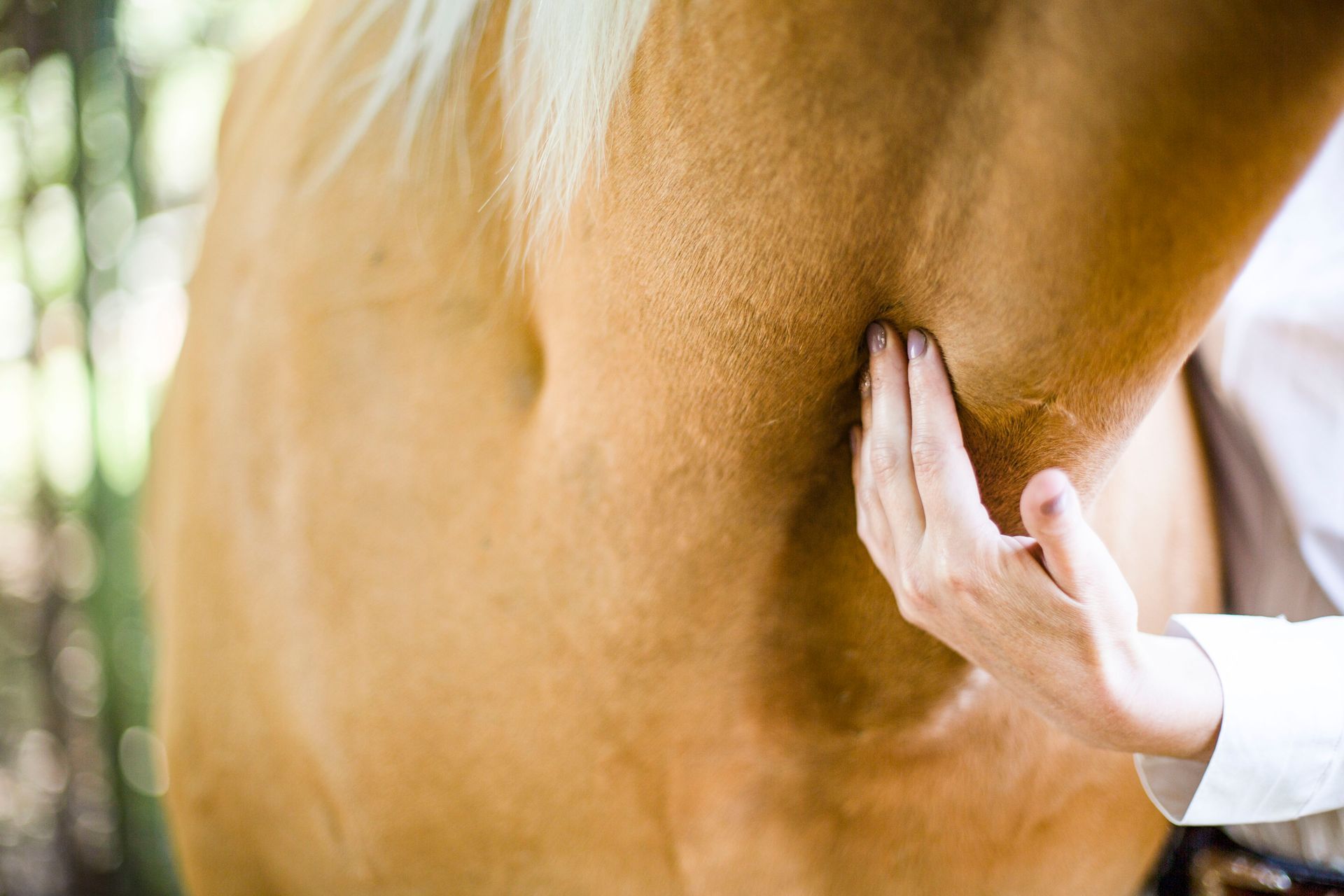
a form of therapeutic massage that applies targeted pressure to improve mobility, reduce tension, and support recovery
The Four Branches of TCVM
TCVM is built around four complementary branches that work together to support your pet’s health:
A Full Evaluation
Chinese herbal medicine at Twin Willows Integrative Veterinary Practice is most often used alongside acupuncture and is based on a hands-on TCVM evaluation. Your pet must be seen in person so a full history and physical assessment can guide safe and effective treatment. Herbal therapy is not prescribed over the phone.
During this evaluation,
Dr. Molly
can get a detailed picture of your pet’s health. This includes reviewing medical history, observing movement and behavior, discussing temperature preferences, and evaluating tongue color and pulse quality. Even pets with the same Western diagnosis may receive different herbal formulas depending on how their individual patterns present.

What to Expect with Herbal Therapy
Our herbal products are carefully sourced from trusted manufacturers that follow the highest safety and quality standards. Not all herbal products are created equal, and improperly prepared formulas can be harmful. For that reason, herbs are prescribed and provided directly through Twin Willows. Refills may be available without a repeat exam when appropriate, but initial prescriptions require an in-person evaluation.
Formulas are tailored to your pet and designed to fit into your daily routine. In general, you can expect:
- Oral formulas that may be mixed with food, treats, or feed
- Dosing that is often given twice daily
- Treatment timelines that vary based on your pet’s condition and response
- Prescriptions that are customized and adjusted as needed over time
- While Chinese Herbal Medicine is typically combined with acupuncture, it may be appropriate to use it on its own for behavioral concerns
Ready to learn
how herbal medicine might benefit your pet?
If you are wondering if herbal therapy may be appropriate for your pet, give us a call at
(805) 459-1760 or
request an appointment for a TCVM evaluation.