Equine Spinal Manipulation
in San Luis Obispo and Marin Counties, CA

Spinal manipulation at Twin Willows Integrative Veterinary Practice
is a gentle, hands-on therapy that is similar in principle to chiropractic care. It focuses on helping your horse move more comfortably by improving joint motion and overall body mechanics. Treatments involve precise manual adjustments that restore normal movement without forcing the body into unnatural positions.
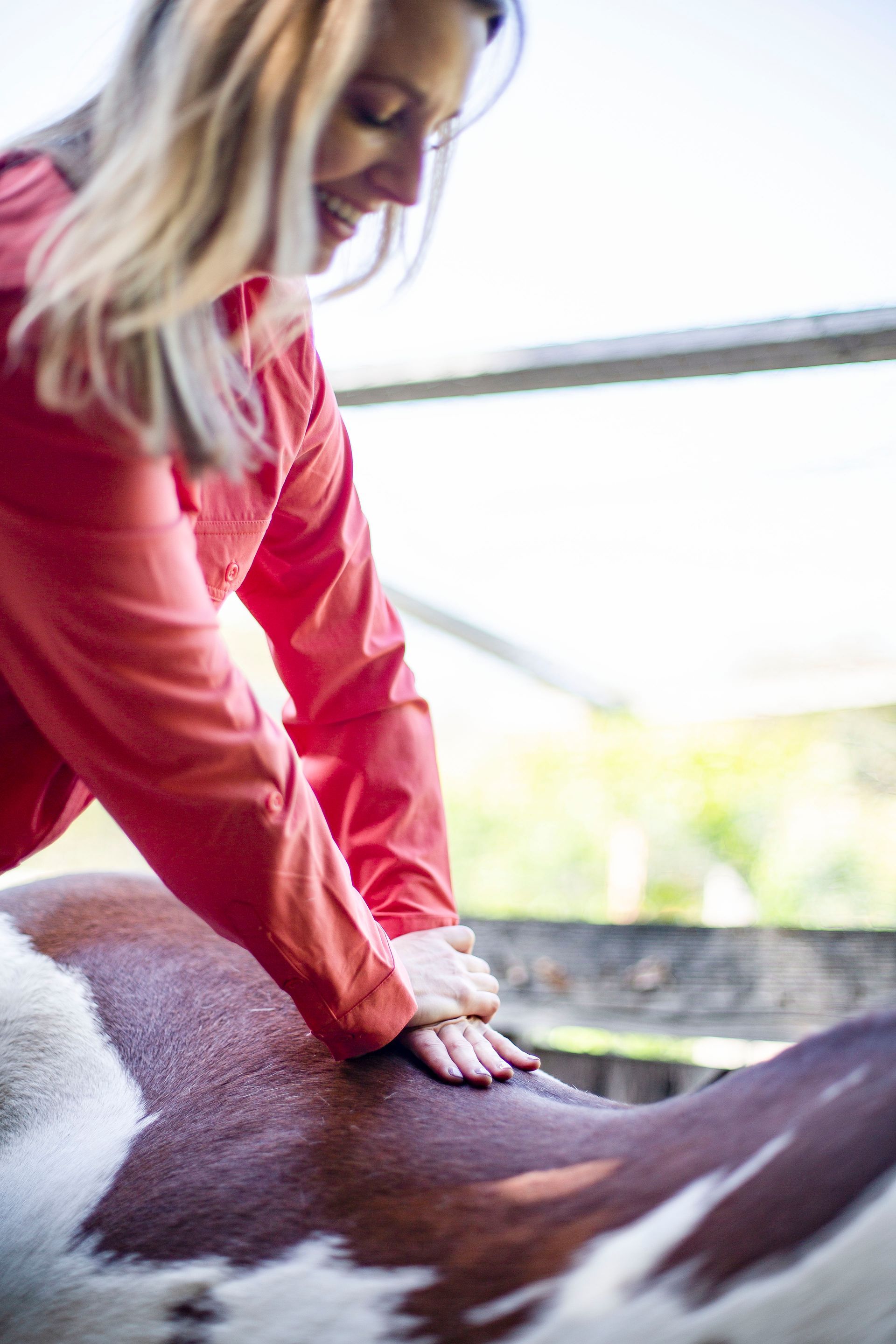
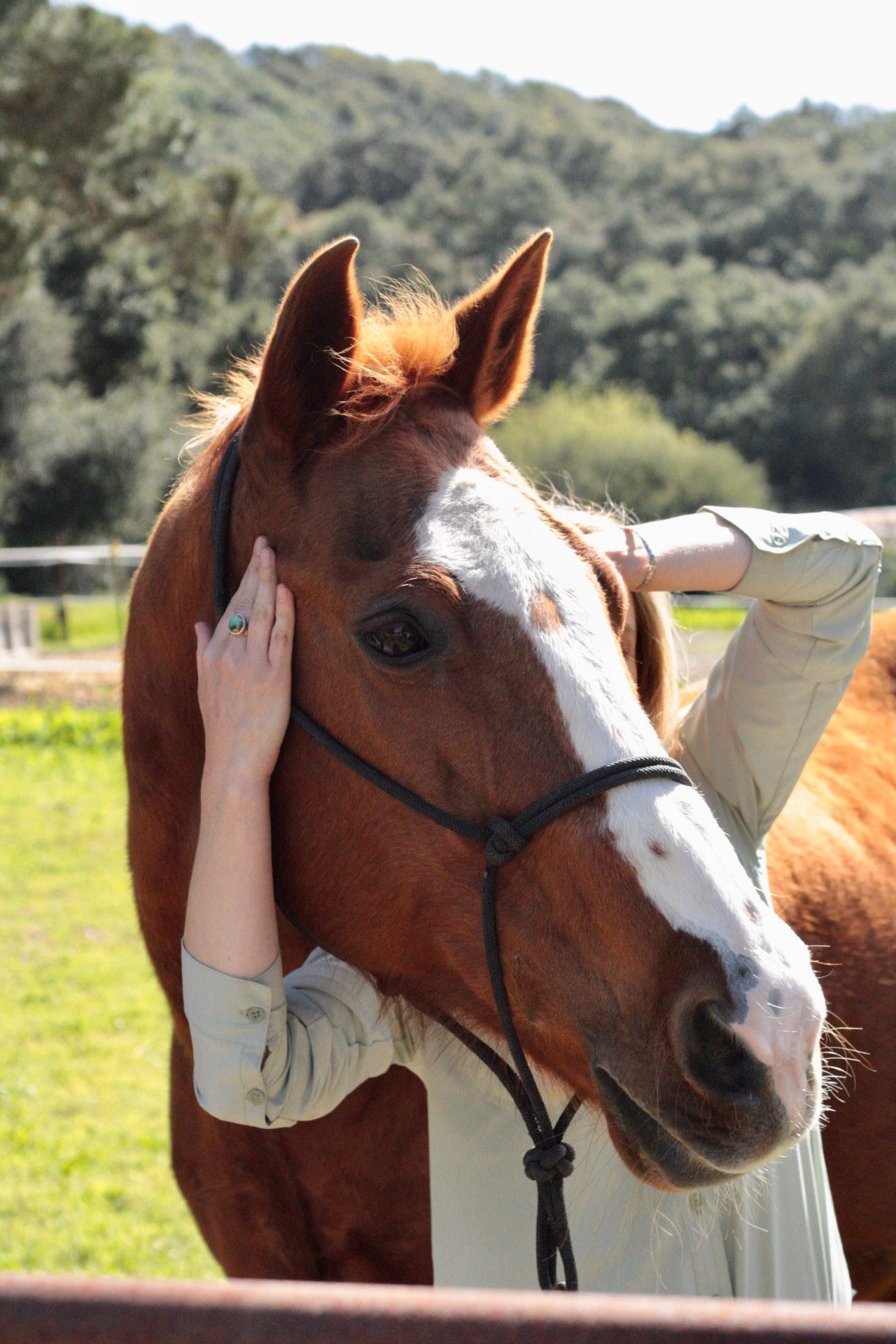
The adjustment itself is very quick and is generally not painful. Dr. Molly has often found that many horses find the process relaxing, and it is often used as a starting point because of how well most animals tolerate it.
How Veterinary Spinal Manipulation Therapy (VSMT) Supports Your Horse
VSMT can support your horse in several ways, including:
- Improving normal movement and mobility in restricted joints
- Reducing stiffness, discomfort, and muscle tension
- Supporting recovery after strain or injury
- Encouraging healthy nerve and circulation function
Better Posture and Balance
Restoring joint motion can help your horse move in a more balanced and coordinated way. This may:
- Improve posture, symmetry, and overall body awareness
- Support smoother performance and movement under saddle
- Help reduce patterns that contribute to stiffness or uneven loading
Improved Movement and Comfort
Adjustments are designed to restore a normal range of motion to the spine and joints, which can:
- Ease tension and support more comfortable, fluid movement
- Enhance freedom of movement and support more balanced, willing performance
- Promote overall physical comfort and mental well-being
Spinal manipulation is commonly used for sport horses and performance tune-ups, but it can also support horses experiencing stiffness or restricted movement. Muscles and connective tissues must also be addressed to achieve lasting improvement, so spinal manipulation is often combined with therapies such as acupuncture, Tui Na massage, and rehabilitation. This approach focuses on long-term management rather than a one-time correction.
What to Expect
During a Spinal Manipulation Appointment
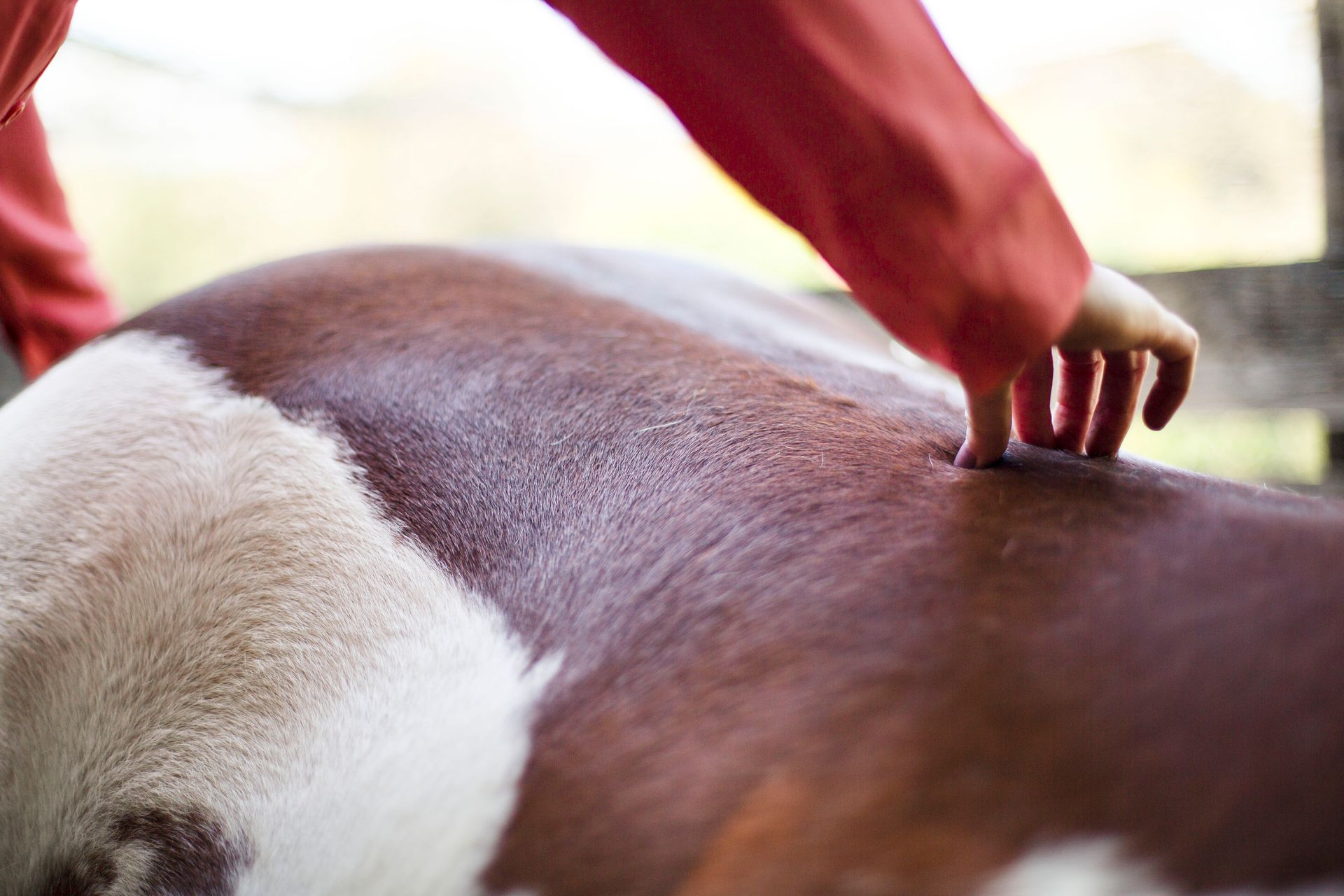
During your horse’s appointment, a careful hands-on exam is performed to feel how each joint is moving. This includes gentle palpation of the spine and limbs to identify restricted or non-physiologic areas. When a restricted joint is found, it is corrected with a precise, gentle adjustment.
Sedation is not required and is generally avoided so your horse’s nervous system can respond naturally to treatment.
Safety and Careful Evaluation
Spinal manipulation is not appropriate for every horse. If neurological concerns or abnormal gait patterns are suspected, further evaluation by your primary veterinarian or a neurologist is required before treatment proceeds. This precaution helps prevent harm, and ensures your horse receives the right care. In many of these situations, acupuncture and soft tissue therapies may still be appropriate.
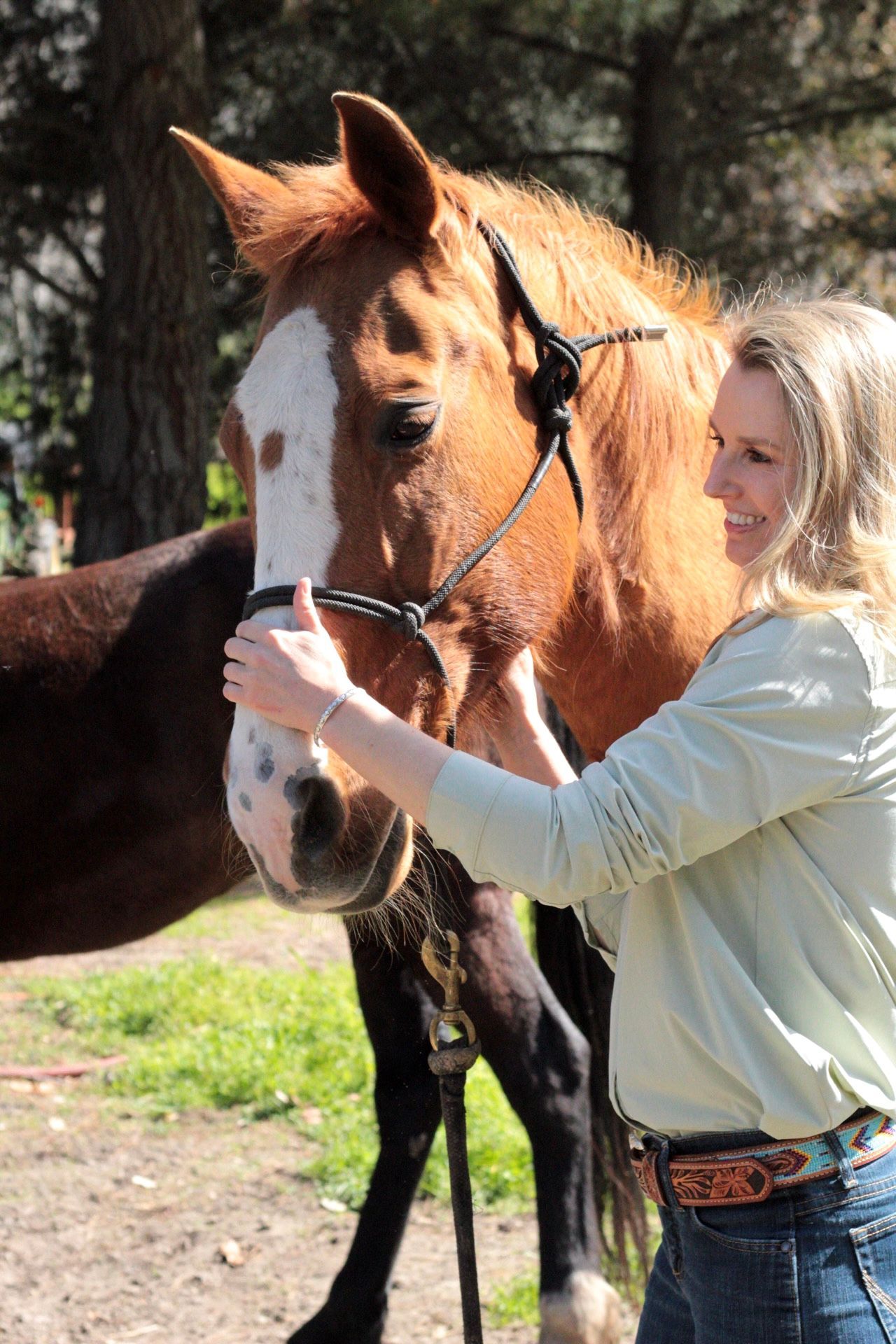
We are committed
to the health and care of equines of all breeds and sizes.
Give us a call at
(805) 459-1760 to discuss whether spinal manipulation may benefit your horse or
request an appointment
for an evaluation.