Equine Rehabilitation
in San Luis Obispo & Marin Counties

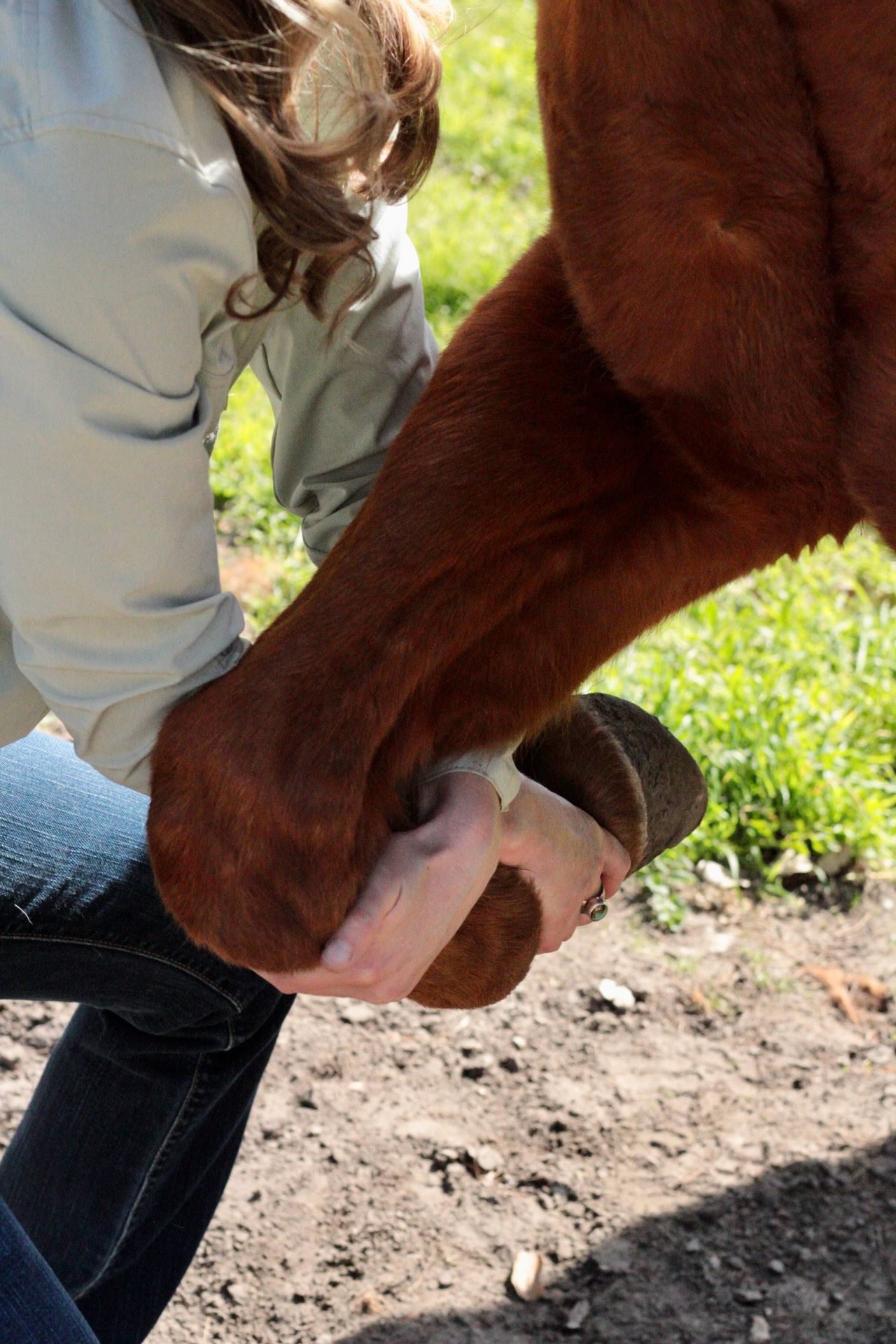
Equine rehabilitation at Twin Willows Integrative Veterinary Practice
focuses on improving comfort, function, and performance through a structured, individualized approach. Rehabilitation plans are developed based on your horse’s history, physical findings, goals, and tolerance for treatment. Services continue to expand as additional rehabilitation training progresses, allowing care to evolve alongside current best practices.
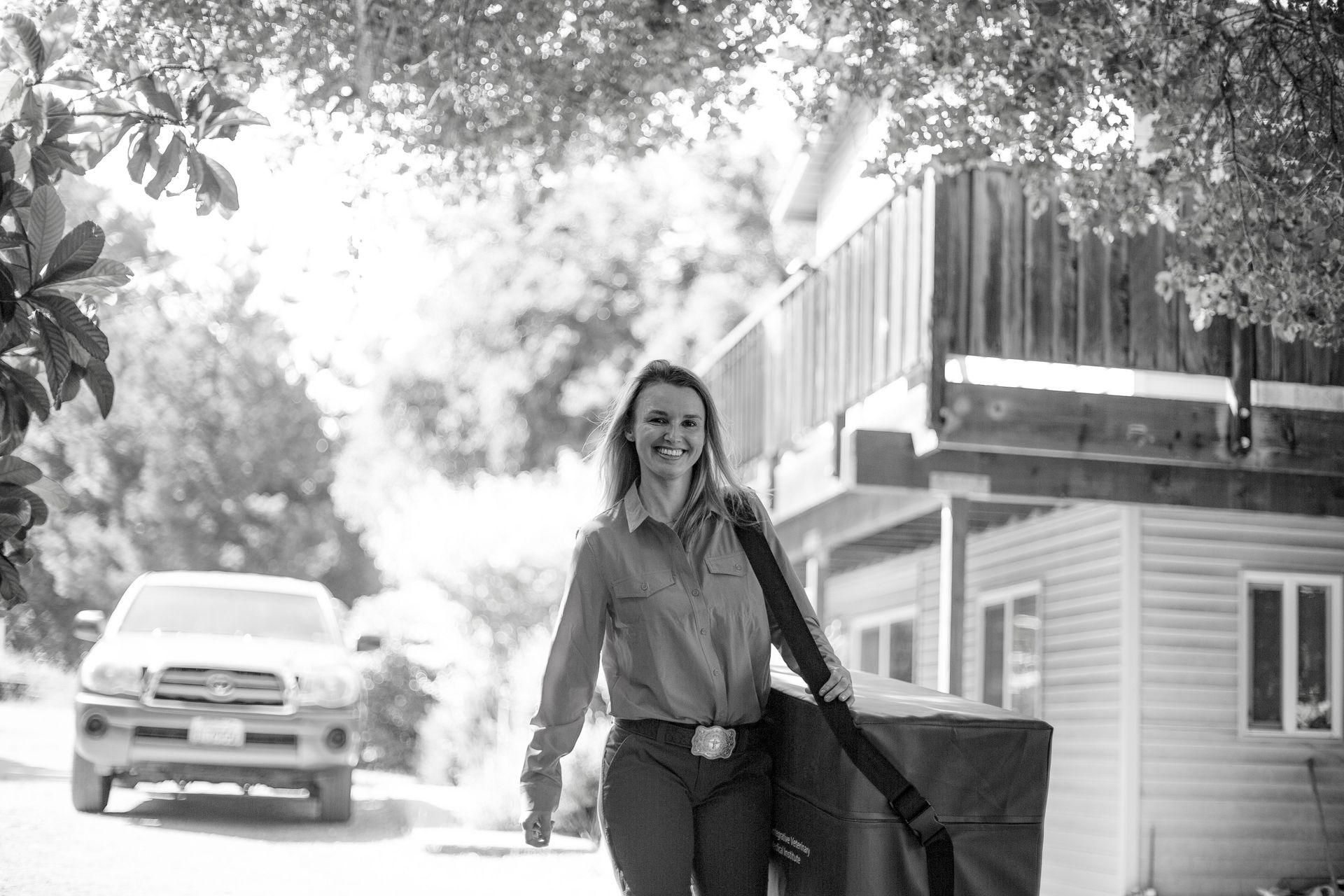
Dr. Molly McElrath is a Doctor of Veterinary Medicine and holds advanced certifications in equine rehabilitation and performance medicine,
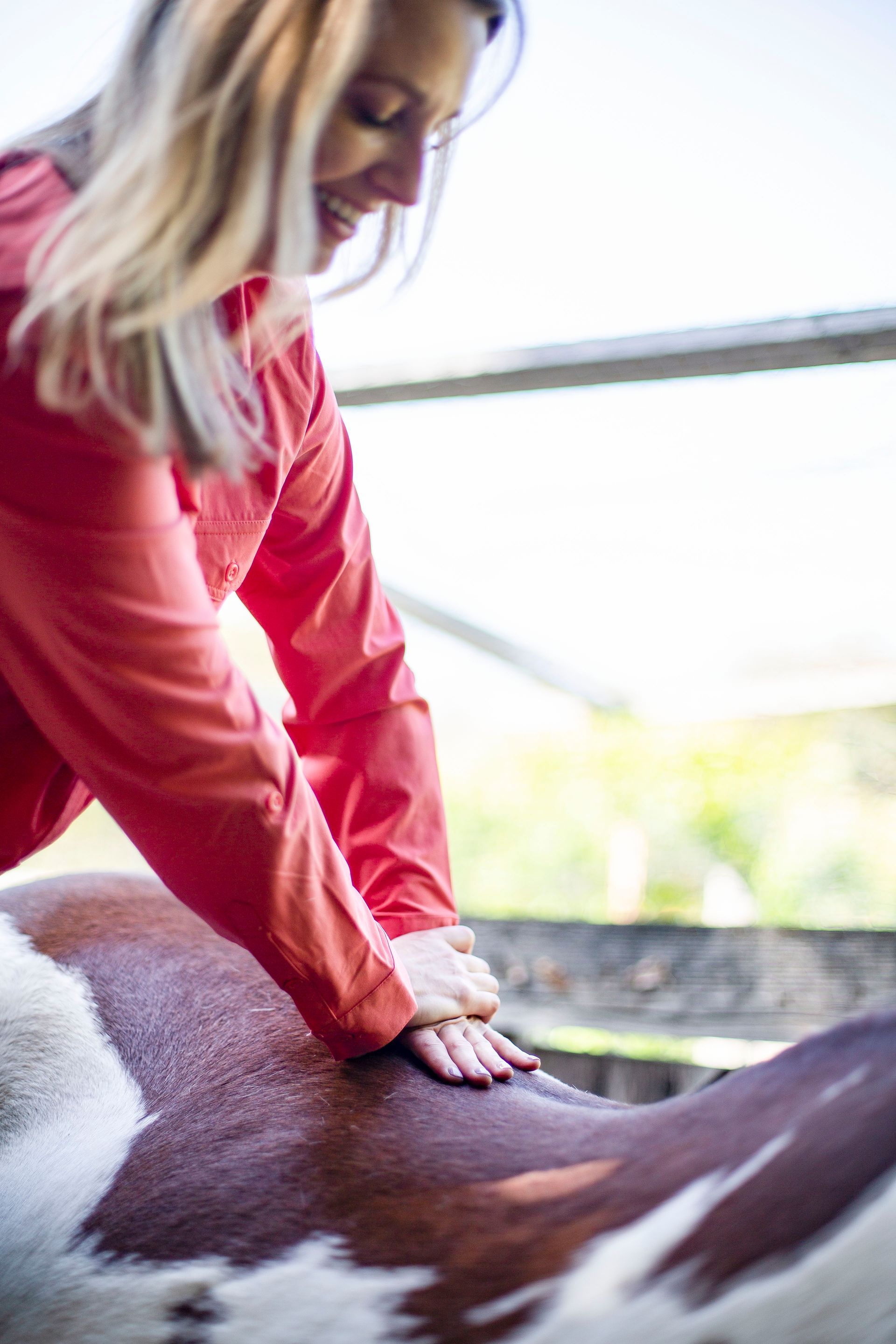
veterinary acupuncture, veterinary medical manipulation, and whole-food nutrition. She applies this training to a comprehensive rehabilitation approach that combines movement assessment with acupuncture,
spinal manipulation, and supportive therapies. Rehabilitation can benefit both performance horses and horses in regular work, whether addressing specific concerns or supporting long-term soundness.
What Is Evaluated
Each rehabilitation visit includes a detailed assessment of:
- Gait and stance
- Musculature, symmetry, and development
- Areas of tension or compensatory movement
- Environmental and property factors such as footing and turnout
Findings guide the development of a customized plan that may incorporate multiple modalities, including acupuncture, spinal manipulation, massage, thermography, vibration therapy, laser therapy, and targeted rehabilitation exercises. Rehabilitation is typically used alongside other integrative therapies rather than as a stand-alone service.
You may receive practical exercises and stretching strategies to support progress between visits. Preparation is similar to that for acupuncture appointments; horses should be clean and groomed, and adequate time should be allowed for evaluation.
Saddle Evaluation
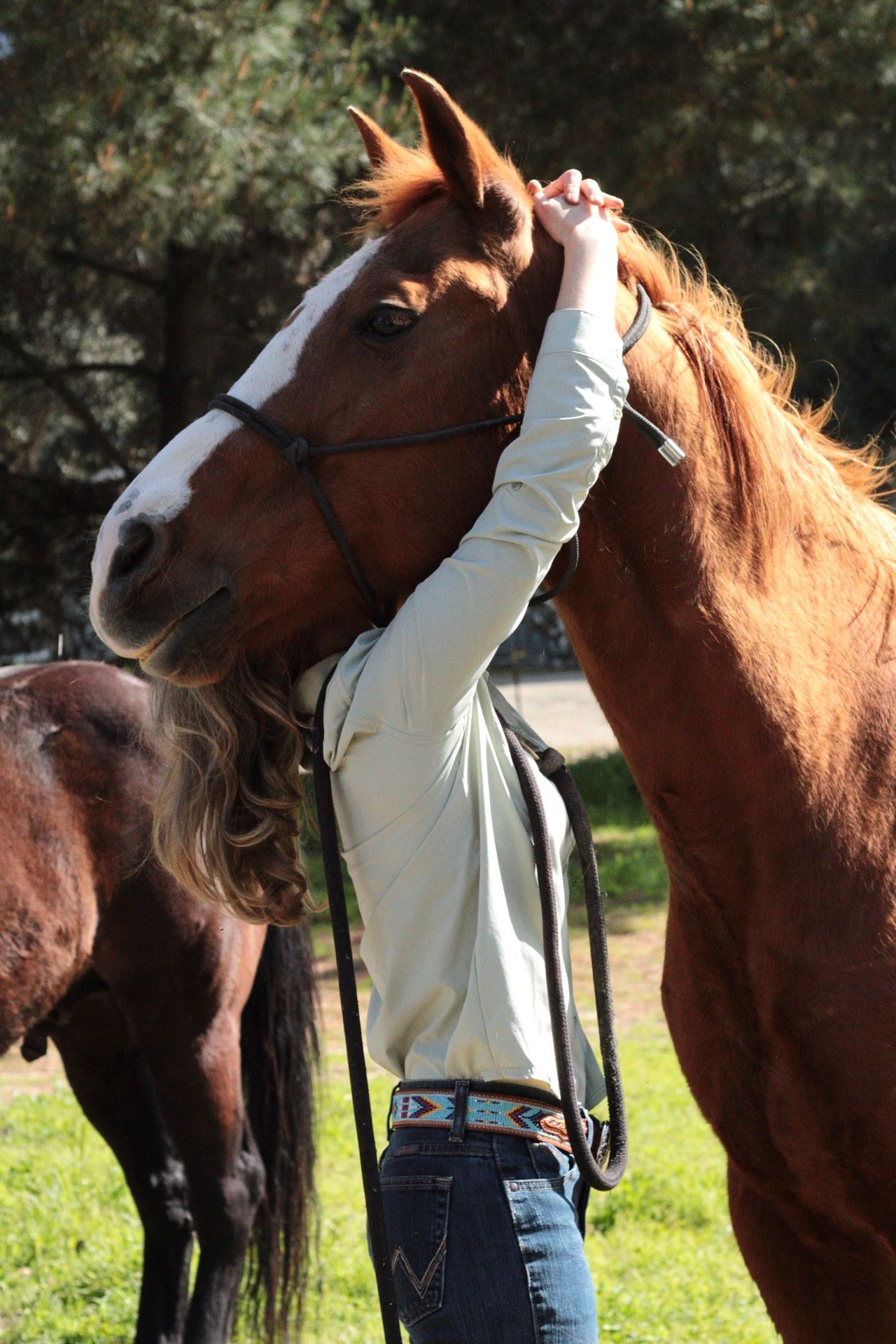
Saddle evaluation is often incorporated into equine rehabilitation, particularly in cases involving back soreness or recurring performance concerns. Assessment includes both static and dynamic evaluation of saddle balance, fit, length, and interaction with the horse’s withers, spine, and shoulders.
A saddle evaluation may be helpful when:
A horse develops muscle atrophy, white hairs, or rub marks
Behavioral resistance or performance changes appear
Difficulty occurs during transitions or under saddle
A new saddle is introduced
Back soreness continues to recur
Saddle evaluation is thoughtfully incorporated into the rehabilitation process and addressed as part of the overall care plan, rather than as a stand-alone service.
Ready to begin
your equine rehabilitation plan?
Call us at
(805) 459-1760 to discuss equine rehabilitation options, email us at info@twivet.com with questions, or
request an appointment to schedule an evaluation.
Equine rehabilitation is designed to support the whole horse through careful assessment, targeted therapy, and collaboration with owners and primary veterinarians.